“Sandhya” refers to the transitional period between day and night, especially during sunrise and sunset. In Hindu traditions, Sandhya is also associated with a daily ritual known as “Sandhyavandanam” or “Sandhya Vandan,” which is performed by followers of the Vedic tradition, particularly Brahmins.
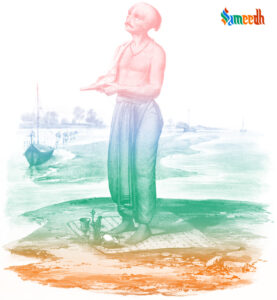
Sandhyavandanam is a ritual of prayers and meditation that is traditionally performed by Dvijas (twice-born individuals) like Brahmins.
Here’s a general guide on how to perform Sandhyavandanam:
Materials Needed:
- Dhoti and Uttariya (traditional clothing)
- Yajnopavita (sacred thread)
- Rudraksha or Tulsi mala (prayer beads)
- Kamandalu (water pot)
- Darbha grass (holy grass)
- Achamana cup (small cup for sipping water)
- Pavitra (ring made of darbha grass)
- Shankha (conch shell)
- Gandha (sandalwood paste)
- Akshat (uncooked rice grains)
- Dhoop (incense sticks) and Deepa (lamp)
- Naivedya (offering of food)
- Asana (cloth or mat for sitting)
- Achamaniya (small spoon for sipping water)
- Gayatri Mantra book or script
Steps:
- Preparation:
- Wear clean and traditional attire.
- Sit on an Asana (cloth or mat) facing east during sunrise and west during sunset.
- Achamana (Purification):
- Perform Achamana by sipping water from the Achamaniya three times while reciting specific mantras.
- Pranayama:
- Perform Pranayama (controlled breathing exercises) while meditating on the divine.
- Sankalpa:
- Make a Sankalpa (resolve) stating the place, time, and purpose of the Sandhyavandanam.
- Gayatri Japa:
- Chant the Gayatri Mantra a specified number of times (usually 108 times) using the prayer beads.
- Marjanam:
- Sprinkle water on yourself using the right hand while reciting specific mantras. This is known as Marjanam.
- Pranayama and Aikyamatya:
- Perform additional rounds of Pranayama and Aikyamatya, concentrating on the unity of the individual soul with the universal soul.
- Gandha and Akshat:
- Apply sandalwood paste (Gandha) on the forehead and offer rice grains (Akshat) while reciting specific mantras.
- Aghamarshana Mantra:
- Recite the Aghamarshana Mantra for the removal of sins.
- Water Offering (Arghya Pradana):
- Offer water to the sun while reciting specific mantras.
- Prokshanam:
- Sprinkle water around yourself using the ring made of darbha grass.
- Punah Marjanam:
- Perform Marjanam again by sprinkling water on yourself while reciting specific mantras.
- Dhoop and Deepa:
- Light the incense sticks (Dhoop) and lamp (Deepa) and offer them while chanting mantras.
- Naivedya:
- Offer food (Naivedya) to the deity while reciting specific mantras.
- Prayers and Closing:
- Conclude the Sandhyavandanam by offering prayers for well-being and prosperity.
- Mantra Pushpam:
- Recite the Mantra Pushpam, a Vedic hymn offering flowers of mantras to the deity.
- Prostration (Namaskara):
- Prostrate and seek the blessings of the divine.
It’s important to note that the specific mantras and procedures for Sandhyavandanam may vary based on the Vedic school and regional traditions. If you are unfamiliar with the rituals, it is advisable to seek guidance from a knowledgeable person or a priest who can provide instructions based on your family or community traditions.